Have you ever considered a career in cannabis nursing? The therapeutic cannabis industry is rapidly evolving, and patients need proper treatment and guidance from trained professionals. A cannabis nurse has specialized knowledge of the endocannabinoid system and the skills to manage the care of healthcare consumers with medical cannabis.
"One of the major benefits of being a cannabis nurse is witnessing patients, safely and medically supervised, reducing their prescribed medications and improving their quality of life," says Texas-based cannabis nurse Eve Kandiyoti, RN.
This guide covers steps to becoming a cannabis nurse, work settings, credentialing, and the cannabis nursing community.
Popular Online RN-to-BSN Programs
Learn about start dates, transferring credits, availability of financial aid, and more by contacting the universities below.
What Is a Cannabis Nurse?
A cannabis nurse's scope of practice is defined by theAmerican Cannabis Nurses Association (ACNA) categorized by 17 standards of care.
Cannabis nursing requires a specialized knowledge of the beneficial components of the Cannabis sativa plant. A cannabis nurse has a comprehensive understanding of how to manage and educate patients on medical cannabis to treat various health conditions, including but not limited to:
Amyotrophic lateral sclerosis (ALS)
Chronic pain
Crohn's disease
Epilepsy and seizures
Glaucoma
HIV/AIDS
Multiple sclerosis and muscle spasms
Severe nausea or vomiting resulting from cancer treatment
The endocannabinoid system (ECS) is a network in the body composed of three core components: endocannabinoids, enzymes, and cannabinoid receptors. This biological system helps regulate critical bodily functions such as pain, immune and inflammatory responses, temperature control, learning, and memory.
The National Council of State Boards of Nursing (NCSBN) identifies six principles of essential knowledge for cannabis nurses:
A working knowledge of current legislation relating to cannabis
A working knowledge of the jurisdiction's Medical Marijuana Program
An understanding of the ECS, cannabinoid receptors, cannabinoids, and their interactions
An understanding of cannabis pharmacology and research
Identifying the safety considerations for patient use of cannabis
Approaching the patient without judgment
Several entities around the country offer specialized training for cannabis nursing, including associations like the ACNA and large public universities.
Working as a Cannabis Nurse
A cannabis nurse can work in direct patient care, research, or offer clinical expertise in collaboration with product manufacturing companies.
There are a variety of healthcare settings for cannabis nurses, including:
Dispensaries
Helping patients with unwanted or unintended consequences of cannabis products, including side effects or concerns about habit formation
Helping patients find the right cannabis strain
Providing education on how to take the medication and dosing
Consulting Practices
Educating patients on cannabis products
Promoting safe cannabis use
Advising on the therapeutic effects of cannabis
Collaborating with product manufacturers in product development
Hospitals or Clinics
Informing patients on cannabis and its medical use
Providing support
Advocating for patients taking medical cannabis
Recruiting patients for clinical trials and measuring outcomes
Cannabis Nurse Credentials
Although the American Nurses Association (ANA) announced cannabis nursing as a specialty, there is not an official cannabis nurse specialty or national certification yet.
To date, the process for cannabis nurse certification includes licensure and a certificate.
The National Council of State Boards of Nursing issues an exam to evaluate nursing competency for state licensure. Cannabis nurses then earn a certificate from a cannabis nurse training program.
"Courses that offer continuing education credit, like the Cannabis Nurses Network, are excellent ways to receive a 'certificate' in cannabis nursing," says Kandiyoti.
Licensure
All would-be nurses must pass the NCLEX to practice
Nurses need only to pass the NCLEX once
Other than passing the NCLEX, there is no other licensure requirement to become a cannabis nurse.
Certificate
Nurses can get a certificate that shows completion of cannabis education courses.
Earning a certificate demonstrates professionalism, continued education, and industry standards.
The ACNA is working towards certification for cannabis nursing.
Cannabis Nursing Community
Two cannabis nursing communities are particularly well-known as hubs of the cannabis nursing community.
"The Cannabis Nurses Networkand ACNA are great ways to connect with local and national cannabis nurses," says Kandiyoti.
The benefits of joining these associations include free CEUs and webinars, networking, and a monthly newsletter. Other benefits include discounts on conferences, educational programs, and the most up-to-date literature on ECS.
Becoming a member of aprofessional nursing association promotes community and offers networking opportunities. You can also stay up to date on the rapidly changing laws and evidence-based practices with medical cannabis.
As of April 2023,38 states, three U.S. territories, and Washington, D.C., legalized medical cannabis. This surging industry offers various health benefits, including alleviating chronic pain, reducing anxiety, and improving multiple sclerosis symptoms. Cannabis nurses are in demand to educate and care for the estimated5.4 million Americans enrolled in medical cannabis programs.
As long as you follow the scope of practice and state guidelines for cannabis nursing, you should feel comfortable providing safe andholistic nursing care to patients using medical cannabis.
Frequently Asked Questions for Cannabis Nursing
Cannabis nursing is a nursing practice dedicated to caring for and educating patients on the therapeutic use of cannabis. A cannabis nurse incorporates nursing skills and cannabinoid science into patient care.
Meet Our Contributor
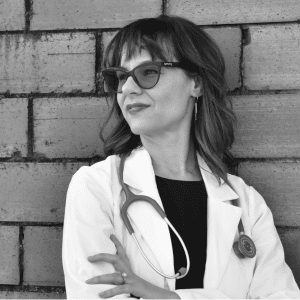
Eve Kandiyoti, RN, MSN
Eve Kandiyoti is a registered nurse with over 16 years of experience and is the founder of MC Wellness Group. She is a doctoral candidate and holds a master of nursing education. Kandiyoti began her cannabis nursing journey in 2014. She has completed several medical cannabis certificates, including the University of Colorado Skaggs School of Pharmacy's Medical Cannabis Education for Health Care Providers program. Her philosophy in her nursing practice is to empower others to be their best health advocates.
